York House School and Harvard: A Complete Guide to Harvard's Residential House System (2026)
If your daughter is at York House School and Harvard is on the list, understand this: Harvard doesn't work like most universities. The residential house system is where undergraduate life actually happens — and knowing how it works changes how you think about the application itself.
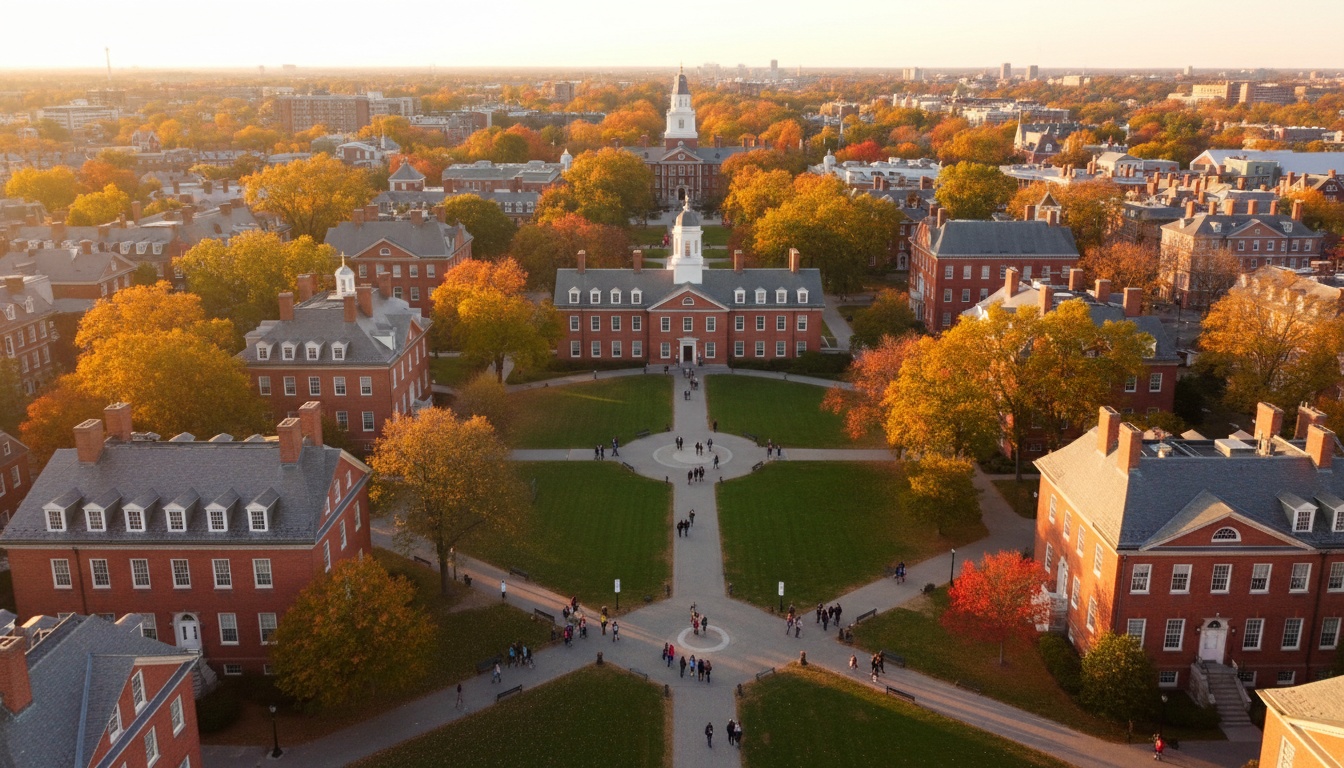
York House School and Harvard: What This Guide Covers
First, a clarification: there is no Harvard house named "York House." Harvard's 12 upperclass houses are Adams, Cabot, Currier, Dunster, Eliot, Kirkland, Leverett, Lowell, Mather, Pforzheimer, Quincy, and Winthrop.
This guide covers how the house system works, what distinguishes each house, how the housing lottery operates, and what York House School families should know before their student sets foot on campus.
What Is Harvard's Residential House System?
Harvard assigns every undergraduate to one of 12 upperclass houses after freshman year. This isn't a dormitory assignment — it's a small college within a college, complete with its own dining hall, staff, traditions, and culture. The system dates to the 1930s, modeled on Oxford and Cambridge's residential college structure.
Harvard president Abbott Lawrence Lowell designed it with an explicit goal: give every student a genuine community rather than letting social life concentrate in the final clubs. Whether it fully achieved that goal is debatable. What's not debatable is that house affiliation becomes central to how Harvard students experience the university.
Each house is led by a Faculty Dean — a role historically called "house master" — supported by resident tutors who live in the building and serve as academic advisors, mentors, and the people you run into at breakfast when you're stressed about a problem set.
Ask any Harvard alum which house they were in. They'll answer before you finish the question.
When Do Harvard Students Enter the House System?
Freshmen live in dormitories clustered around Harvard Yard. The upperclass house system begins after freshman year, which is part of why the housing lottery at the end of freshman year carries so much weight. You're not just picking a room. You're picking the community you'll live in for three years.
The 12 Harvard Houses: An Overview
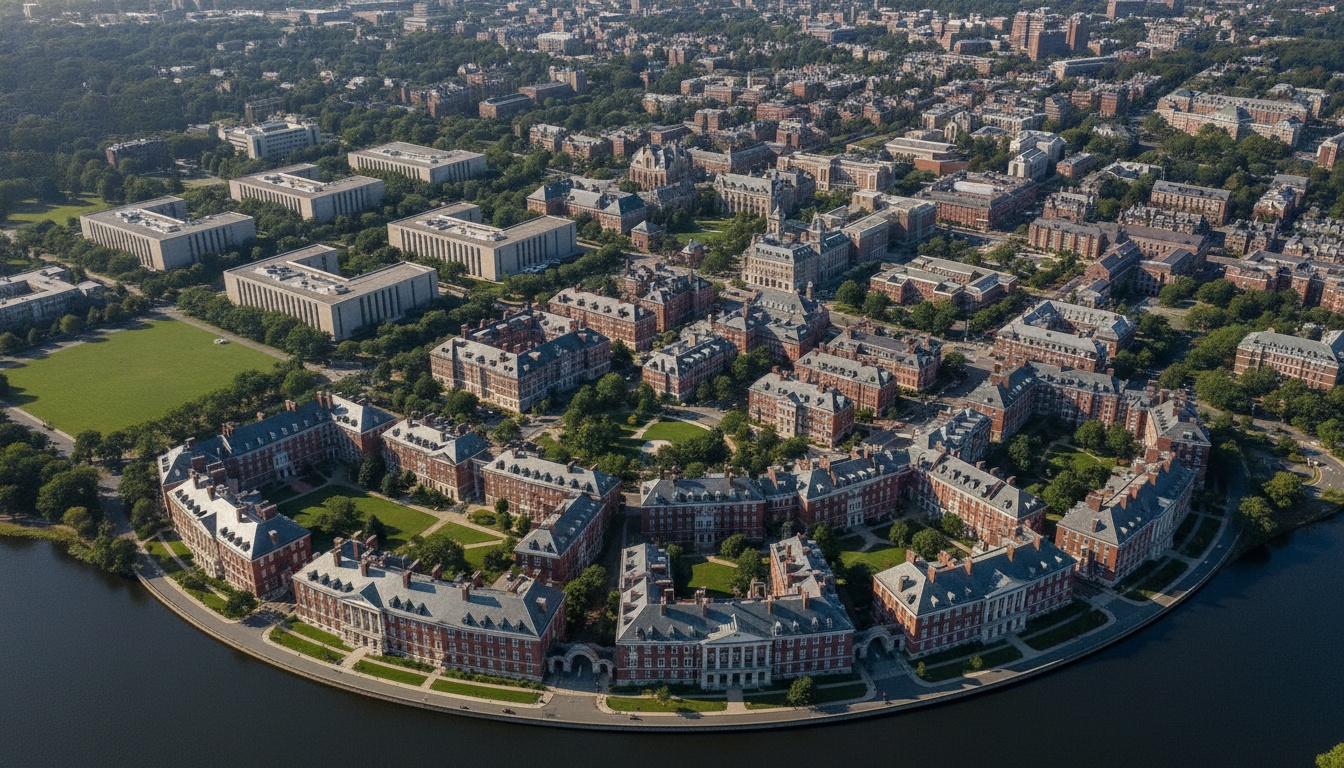
Harvard's upperclass houses divide roughly into two geographic clusters: the River Houses, positioned between Harvard Yard and the Charles River, and the Quad Houses, located about a 15-minute walk north of the Yard. The River vs. Quad trade-off is real and worth understanding before your student forms strong opinions.
Quick orientation before we go deeper:
- River Houses (6): Adams, Eliot, Kirkland, Leverett, Lowell, Winthrop — closer to the Yard, denser social geography
- Quad Houses (3): Cabot, Currier, Pforzheimer — larger rooms, quieter pace
- River-adjacent (3): Dunster, Mather, Quincy — mixed trade-offs
Harvard Houses Comparison Table
| House | Cluster | Approx. Room Size | Notable Feature |
|---|---|---|---|
| Adams | River | Varied (~130 sq ft singles) | Closest to Yard; arts identity |
| Eliot | River | Larger (~140 sq ft singles) | Athletic culture; boathouse proximity |
| Kirkland | River | Smaller overall | Tight community; smaller house |
| Leverett | River | Medium (~200 sq ft doubles) | River views; strong Faculty Dean engagement |
| Lowell | River | Medium | Bell tower; formal traditions |
| Winthrop | River | Medium | River location; active programming |
| Cabot | Quad | Large (~240 sq ft doubles) | Spacious rooms; quieter pace |
| Currier | Quad | Large | Community-driven; residential feel |
| Pforzheimer | Quad | Large | Strong house identity |
| Dunster | River-adjacent | Medium | South of main cluster; community events |
| Mather | River-adjacent | Medium-large | Brutalist architecture; polarizing |
| Quincy | Central | Medium | Centrally located; academically diverse |
Room size estimates are approximate and vary by specific assignment. Verify current configurations through Harvard's Dean of Students Office.
River Houses
The River Houses cluster closer to the Yard and the Charles River; the Quad Houses sit about 15 minutes north. The trade-offs are real.
Adams House sits closest to the Yard — arguably the most central location on campus. It has a strong arts identity and a reputation for being the house where students who care about theatre, music, and literary culture tend to cluster. Room configurations vary widely.
Eliot House has a reputation as one of the more social and athletically active houses. Its proximity to the boathouse along the Charles River matters for student athletes. Faculty Deans change over time; checking the current appointment before forming opinions about any house is worth the five minutes it takes.
Kirkland House is one of the smaller River Houses, which gives it a tighter community feel. Alumni from Kirkland tend to describe it as punching above its size in terms of social cohesion.
Leverett House includes McKinlock Hall and the Lev Towers. Rooms in McKinlock facing the Charles River are coveted — students who land them mention it constantly. Leverett's Faculty Deans have historically been known for genuine engagement with residents. (Faculty Dean appointments change; verify current appointments at the Dean of Students Office website.) Community nights at Leverett — when the dining hall is reserved exclusively for house residents — are a regular feature of residential life there. Faculty Dinners, where students invite professors to eat with them, are another Leverett tradition documented in Harvard housing materials.
Lowell House is perhaps the most architecturally distinctive River House. The bell tower is real and audible. Lowell has a reputation for formal traditions — its formal dinners are among the most attended of any house. Diana Eck and Donald Pfister have both served as Faculty Deans of Lowell House; their tenures are publicly documented and reflect the kind of faculty engagement Lowell is known for. (Verify current Faculty Dean appointments before forming preferences.)
Winthrop House sits along the river with strong community programming. It tends to attract students who want proximity to the water and a mid-sized house community.
Quad Houses
Cabot House, Currier House, and Pforzheimer House make up the Quad. Larger rooms. Quieter pace. A shuttle runs to the Yard, but the 15-minute walk in a Vancouver February is nothing — in a Cambridge January, some students find it isolating.
The honest trade-off: Quad students consistently report more physical space and a calmer environment. River students consistently report better access to classes, the Square, and the denser social geography of campus. Neither is wrong.
River-Adjacent Houses
Dunster House, Mather House, and Quincy House round out the system. Dunster sits along the river south of the main cluster and has a reputation for strong community events. Mather is architecturally brutalist and polarizing — students either love it or don't. Quincy is centrally located and tends toward a mixed, academically diverse community.
How Does the Harvard Housing Lottery Work?
The housing lottery runs in spring of freshman year. Blocking groups — the friend groups of two to eight students who enter the lottery together — form organically over the course of the year.
This is a more consequential decision than most 18-year-olds realize. You're choosing the people you'll live with for three years. The people you're least sure about at month four are often the ones you're most frustrated with by month fourteen.
Blocking groups submit preferences, but assignment is randomized — you cannot directly request a specific house. The Dean of Students Office oversees the process and handles exceptions. Families who anticipate needing accessibility accommodations should contact the Dean of Students Office early in freshman year, not at lottery time.
The Link System
Two blocking groups can connect their lottery entries through the "link" system. This increases combined group size, which affects which houses can accommodate you. Larger groups have more flexibility filling suites but fewer houses can take a group of eight; smaller groups have more placement options but less control over suite configurations.
Can You Switch Houses After Initial Placement?
Room reassignment after initial placement is possible but uncommon. Transfer requests go through the Dean of Students Office and are typically granted only for documented reasons. Don't count on switching if the initial assignment disappoints.
Housing Lottery Timeline
For the class entering upperclass housing in fall 2027, the relevant deadlines will fall in spring 2027:
- Blocking group registration: typically February
- Lottery submission: typically April
- Confirm exact dates at the Dean of Students Office website — deadlines shift slightly year to year
What Does Harvard House Life Actually Look Like?
The House Committee — HoCo — organizes formal dinners, seasonal events, intramural sports teams, and the study breaks that somehow become the memories you keep. Guest speaker series bring faculty and alumni into the house for dinners and conversations that don't happen in lecture halls.
Community nights are different. The dining hall closes to outsiders — no cross-house visitors, no drop-ins. Just your house. That sounds like a small thing until you've had a bad week and you walk in and everyone already knows your name.
Beyond programming, Harvard's dining is consistently praised by students and alumni as among the strongest of any US university. It's not dining hall food in the way most people mean that phrase.
Academic Resources Inside the Houses
Resident tutors live in your house — typically graduate students or early-career academics — which means academic support happens naturally: at breakfast, in the hallway, not just during scheduled office hours. That proximity to mentors who understand your specific house community is one of the biggest advantages of Harvard's residential system.
The Faculty Dean is the most underrated variable: an engaged one in a mid-tier house beats a checked-out one in a prestigious house every time. Before your student forms strong opinions about River vs. Quad or room size, look up who's currently running each house. The Harvard Crimson publishes Faculty Dean profiles and house guides most years.
Peer mentoring runs informally but effectively — upperclassmen advising sophomores on course selection, study groups forming around shared concentrations, the knowledge transfer that doesn't appear in any official advising document.
If you're mapping out a realistic timeline from York House School to Harvard, our admissions guide for Vancouver families covers the course selection and testing strategy that actually matters.
Accessibility and Housing
Students with documented accessibility needs — physical, sensory, or mental health-related — should connect with the Accessible Education Office and the Dean of Students Office early in freshman year. House assignments can accommodate documented needs, but the process requires advance communication. Don't wait until the lottery to raise this.
Does House Assignment Affect Housing Costs at Harvard?
Your house assignment won't affect your housing costs or financial aid — all 12 houses are priced identically, so you can choose based on community fit, not budget. Financial aid packages cover room and board costs for eligible students regardless of house assignment. For current figures, the Harvard Student Financial Services office publishes annual cost-of-attendance breakdowns.
Who Thrives in Which House?
That said, the Harvard community living experience varies more by Faculty Dean and blocking group than by house reputation — and patterns do exist.
Students who want proximity to classes and the Square tend to prefer River Houses. Students who want more physical space and a quieter environment tend to prefer the Quad. Student athletes with facilities along the Charles River have a practical reason to weight River Houses. Pre-med students who need regular access to the Science Center appreciate the shorter walk from River locations.
International students — and Harvard's international population is substantial — often find the house community structure easier to navigate than the more diffuse social scenes at larger universities. The built-in community matters more than most students expect when they're 17 and researching houses from Vancouver.
The River vs. Quad debate misses the real variable. It's the Faculty Dean. Look that up first.
Harvard House Alumni Networks
The house system doesn't end at graduation.
Alumni connections through house networks persist well beyond commencement. Harvard alumni from the same house maintain genuine connections — the shared residential college experience creates a different kind of bond than simply attending the same university.
The Harvard Club of British Columbia is the relevant alumni organization for Vancouver-area families. House-specific alumni networks operate informally but actively, particularly in industries where Harvard alumni concentrate. This is worth knowing when your student is navigating recruiting in junior and senior year.
York House School to Harvard: What the Timeline Actually Looks Like
York House School graduates have gone on to Harvard and other highly selective US universities. The path there starts well before senior year — typically in Grade 9 or 10 for students with Harvard-level ambitions, given the course selection, extracurricular depth, and standardized testing timelines involved.
BC's curriculum context matters here. York House offers AP and IB pathways, and Harvard's admissions office reads BC transcripts regularly. What they're looking for isn't a perfect GPA — it's evidence of intellectual curiosity, genuine engagement, and the kind of character that thrives in a residential college community like the ones described in this guide.
The house system described above isn't just background information. It's context for why Harvard is different from UBC or McGill — and why the application requires a different kind of preparation.
Key Takeaways
- "York House Harvard" refers to York House School in Vancouver, not a Harvard house — no Harvard house carries that name
- Harvard's 12 upperclass houses are Adams, Cabot, Currier, Dunster, Eliot, Kirkland, Leverett, Lowell, Mather, Pforzheimer, Quincy, and Winthrop
- River Houses offer proximity to classes and the Charles River; Quad Houses offer larger rooms and quieter surroundings
- The housing lottery is randomized — blocking group strategy matters more than most freshmen realize
- The Faculty Dean variable is the most underrated factor in house quality — research current appointments before forming preferences
- House dining, resident tutors, and HoCo programming are the three pillars of daily Harvard community living
- Accessibility and financial aid questions go to the Dean of Students Office and Student Financial Services — not the housing lottery
- Alumni house networks remain active well after graduation and matter during recruiting
Ready to map out what a realistic Harvard application timeline looks like from Vancouver? Explore our guide to US college admissions from BC or book a free consultation with our team.
York House School Families: Book a Consultation
Understanding Harvard's residential system is one piece of a much larger admissions picture — and it's one we've helped York House School families navigate before. If you're mapping out what a realistic path to Harvard or other highly selective US universities actually requires from a Vancouver starting point, we can walk through that with you directly.
The timeline, the course choices, the testing strategy, the application positioning: it's specific work, and it starts earlier than most families expect.
Book a free consultation to map out your daughter's timeline from York House School to Harvard — including course selection, testing strategy, and application positioning.
External references: Harvard College Dean of Students Office — residential house system and housing lottery FAQ · Harvard Crimson annual house guide for incoming sophomores · Harvard Accessible Education Office — housing accommodation process · Harvard Student Financial Services — annual cost of attendance