What Is the Ivy League? A Canadian Student's Guide to Applying to America's Top 8
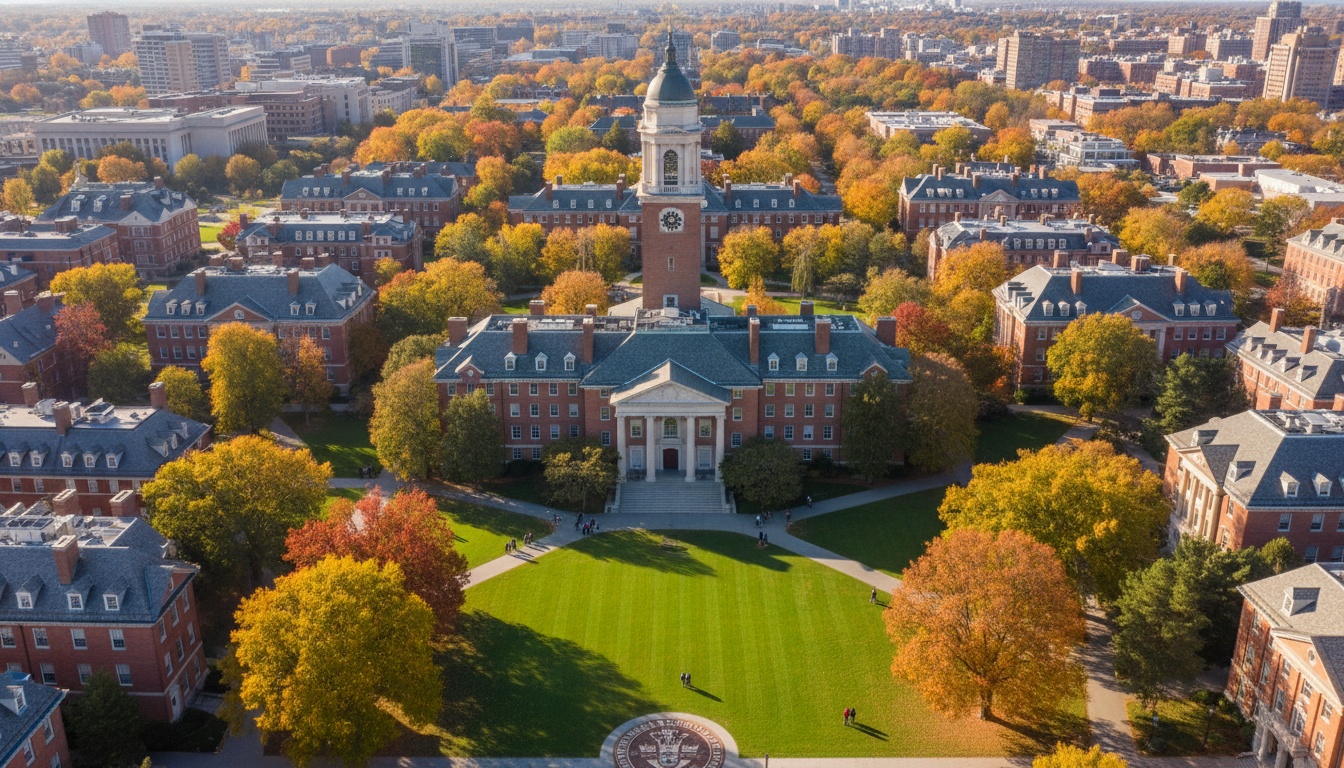
The Ivy League is a group of eight private universities in the northeastern United States — Harvard, Yale, Princeton, Columbia, the University of Pennsylvania, Brown, Dartmouth, and Cornell. The group was formally organized as an athletic conference in 1954, though the term was already in newspaper use earlier. Today, an Ivy League education carries significant weight in US graduate-school admissions and in the recruiting pipelines of top-tier consulting, finance, and academia. Across the Class of 2028, the schools that publish admit rates reported figures from 3.6% (Harvard) to 5.3% (Dartmouth); Princeton, the University of Pennsylvania, and Cornell have moved away from press-release announcements but their figures are estimated in the 4–8% range.
The Eight Schools
| University | Location | Recent Admit Rate |
|---|---|---|
| Harvard | Cambridge, MA | 3.6% (Class of 2028) |
| Yale | New Haven, CT | 3.7% (Class of 2028) |
| Princeton | Princeton, NJ | ~4–5% (estimated; no recent press release) |
| Columbia | New York, NY | 3.9% (Class of 2028) |
| UPenn | Philadelphia, PA | ~5–6% (estimated; no recent press release) |
| Brown | Providence, RI | 5.2% (Class of 2028) |
| Dartmouth | Hanover, NH | 5.3% (Class of 2028) |
| Cornell | Ithaca, NY | ~7–8% overall, varies significantly by college |
Canadian Applicants: What's Different
Canadian students apply to the Ivy League as international applicants, primarily through the Common App, with these differences from the US-domestic route:
- Financial aid is harder. Only Harvard, Yale, Princeton, and Dartmouth are need-blind for international applicants and meet 100% of demonstrated need (MIT and Amherst also do, though they are not in the Ivy League). The other four Ivies are need-aware for internationals.
- The CSS Profile, not the FAFSA. Canadian families file the CSS Profile plus any school-specific international student financial aid form — FAFSA is restricted to US citizens and eligible non-citizens.
- Curriculum context matters. Admissions officers know BC, Ontario, and Quebec curricula and translate them differently. We've seen BC Dogwood graduation requirements undersell strong applicants who didn't supplement with AP or other advanced-curriculum signals (SAT Subject Tests were discontinued in 2021).
- Standardized testing is back at several Ivies. Harvard, Yale, Dartmouth, and Brown have reinstated SAT/ACT requirements for the Class of 2029; Cornell has moved several of its undergraduate colleges back to test-required as well. Mid-1500s SAT scores remain typical of admitted students.
- Recommendations from Canadian teachers are read alongside whatever counselor system the school uses; tone and specificity matter.
How Ivy100 Helps Canadian Families
Ivy100 Education has been based in Vancouver since 2000 and serves Chinese-Canadian families across British Columbia. Each student is assigned a dedicated three-person team — senior consultant, academic tutor, and psychology counselor — and our consulting team combines former admissions officers, Ivy League graduates, and experienced planners.
- Planning & Supervision — multi-year roadmap that often begins as early as Grade 8 or 9: course selection, extracurricular shaping, summer programs.
- University Application — school list (including hidden-gem alternatives, not just Ivies), Common App execution, essay strategy, interview prep.
- SAT & AP Training — Vancouver-based test prep aligned to BC academic calendars.
For applicants targeting the Class of 2028 cycle, see our Common App deadline guide and Common App for Canadian students. For a broader look at top-tier US universities beyond the Ivies, see our 2026 US college rankings + hidden gems.