Gates Computer Science Building at Stanford CS: What's Inside and How to Use It
The Gates Computer Science Building is Stanford CS's operational hub for faculty offices, student advising, research coordination, and departmental culture — the place where the administrative and the intellectual actually touch.
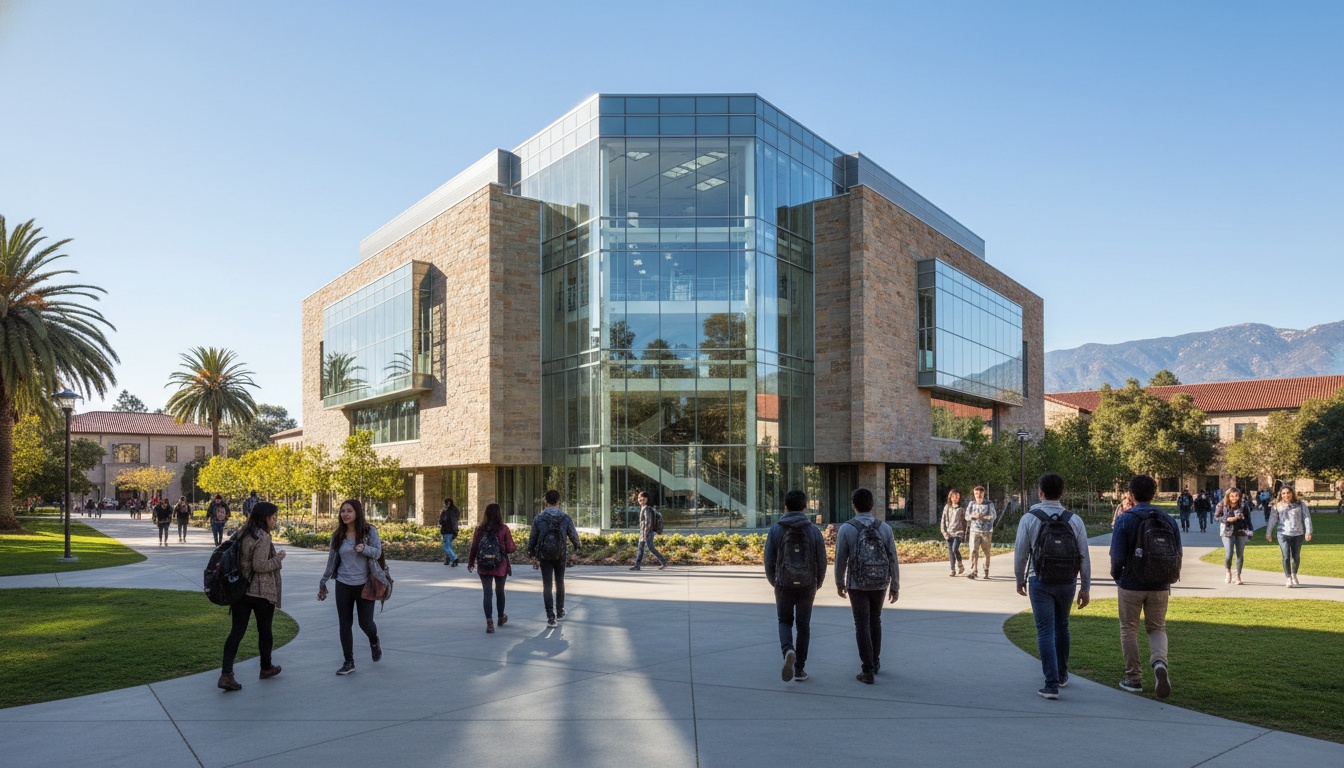
What Is the Gates CS Building at Stanford?
The Gates Computer Science Building is the administrative and community hub of Stanford's CS Department. It houses faculty offices, student advising services, and shared collaboration spaces where CS undergrads and graduate students interact with faculty and peers daily.
The building's significance isn't purely logistical. Stanford's CS Department describes itself as "a center for research and education," and spaces like the Gates Building are where that identity becomes concrete — through advising appointments, informal conversations between researchers, and the organized pressure of a top-tier program running at full speed.
Why Physical Proximity Matters
It's not a research lab in the traditional sense. It's where degree programs, student services, faculty access, and departmental culture converge.
What does Stanford CS actually need from its physical space? Not just servers. The answer is proximity — between students and faculty, between research groups, between the people who ask questions and the people who've already answered them.
What Research Happens Here: Labs and Focus Areas
The spaces inside the Gates Building include seminar rooms, collaboration areas, faculty offices, and computing access points. The layout is designed to create accidental collisions — the kind where a conversation outside a professor's office turns into a research opportunity six months later. Students who recognize this and use it intentionally tend to move faster.
Computing Resources and Infrastructure
Computing resources here connect to the broader Stanford CS infrastructure. In practice, graduate students running large-scale ML training jobs coordinate resource access through department channels. Those channels are based here.
Research Focus Areas
Stanford's CS Department focuses on "discovering new frontiers in AI, robotics, scientific computing and more," according to the department's own description. The research groups associated with the Gates Building reflect that scope.
AI and machine learning groups are the most visible presence. Faculty whose work spans deep learning, NLP, and AI safety hold offices throughout the building. Robotics and autonomous systems work has strong ties to the building, though hands-on lab work happens in adjacent Stanford engineering facilities. Scientific computing groups also operate here, collaborating across departmental lines with Stanford's schools of medicine, earth sciences, and business.
How Does the Gates Building Differ From Other Stanford CS Spaces?
The Gates Building serves the CS Department's academic and administrative functions — degree programs, advising, and course infrastructure. The Stanford AI Lab (SAIL) focuses on foundational AI research separately. Packard Electrical Engineering serves broader engineering collaboration. The key difference: proximity to faculty offices matters more than proximity to computing hardware.
The contrarian point most guides skip: proximity to faculty offices matters more than proximity to computing hardware. In 2026, you can SSH into a GPU cluster from anywhere. You can't replicate a ten-minute conversation outside a professor's office door.
That's what the Gates Building actually offers.
What Academic Programs and Advising Services Are Available?
The Gates Building houses advising infrastructure for Stanford CS's BS, MS, and PhD programs. Undergraduates navigate core requirements — CS106B (Programming Abstractions), computer organization, mathematical foundations — with real flexibility for specialization. Graduate students access administrative services and career events. The CS+Social Good program uses Gates Building spaces for workshops and planning sessions.
Beyond core requirements, the CS+Social Good program deserves specific mention. It's a student-driven initiative applying computer science education toward positive social impact — health equity, environmental data, and civic technology among other areas. The Gates Building provides physical space for its workshops, planning sessions, and speaker events.
Graduate students use the building differently than undergrads. MS students in the professional track access it primarily for administrative purposes and career-adjacent events. PhD students are different. Their primary faculty contact may be just down the hall for years. The building becomes a genuine professional home.
One thing prospective students sometimes misunderstand: Stanford's CS program doesn't have a single "home" building the way some smaller universities do. The Gates Building is a node in a distributed ecosystem (a significant one, but not the whole picture).
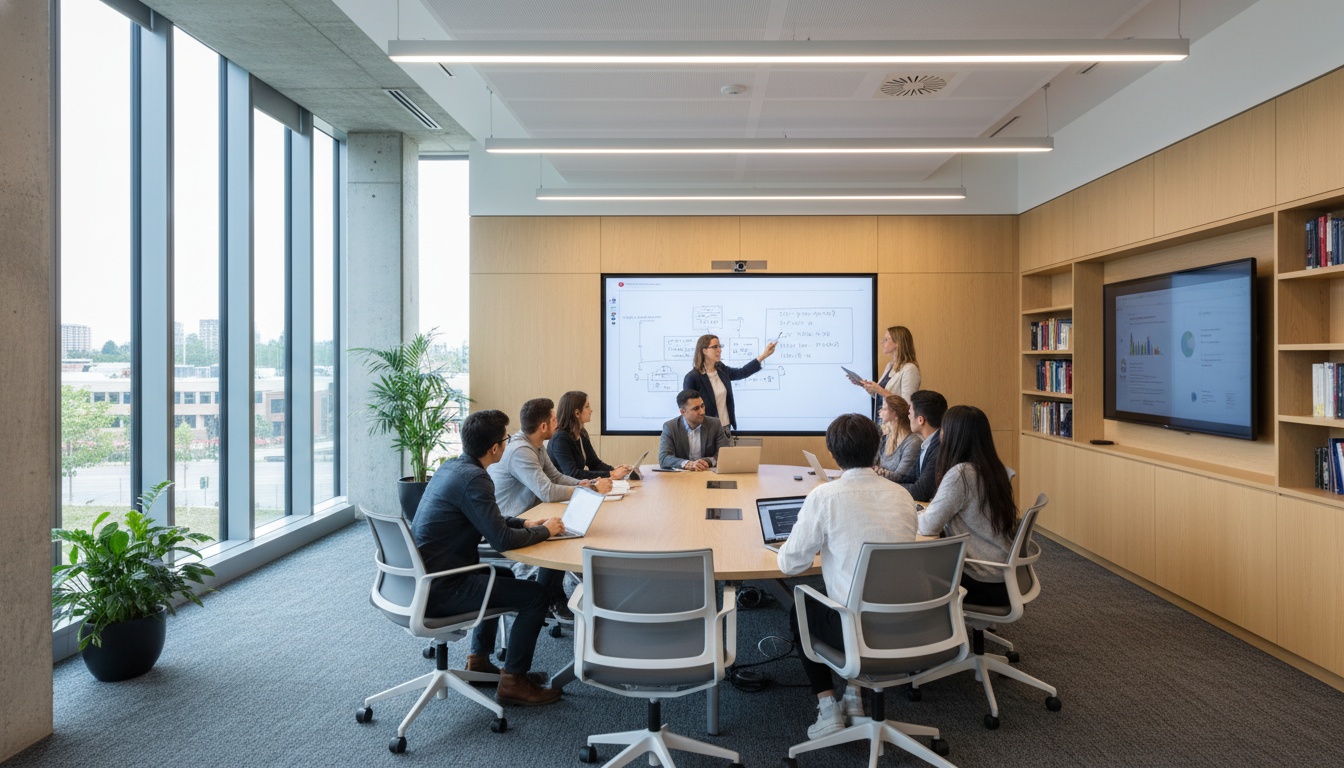
An HCI student and a theory-of-computation student might share the same advising queue on a Tuesday afternoon. They're pulling the department's resources in completely different directions. That degree of range is part of what makes the advising infrastructure here genuinely complex to navigate — which is either liberating or paralyzing depending on how much you've thought about your research direction.
Building Community: Daily Life and Peer Mentorship
What does a Tuesday afternoon look like for a second-year PhD student in Gates?
Day-to-day, undergrads use the Gates Building for advising, printing, and study sessions between classes. Graduate students treat it more like a professional home base. You learn which seminar rooms have the good markers and which projectors freeze up during demos. That institutional knowledge doesn't live anywhere official.
The whiteboard culture is real.
You'll find PhD students who've been in the same office for four years. They know exactly where the useful informal conversations happen — knowledge that accumulates only through time in the building, not through any orientation document.
Students who figure out early how to build actual relationships with faculty and peers here tend to have a different experience. The ones who treat it as a service counter don't.
Student organizations connected to CS+Social Good, affinity groups focused on diversity in tech, and project-based clubs use Gates Building rooms for regular meetings. The layout encourages accidental run-ins that turn into research collaborations six months later.
Older PhD students advise younger ones. Undergrads get pulled into research by a grad student they met in a seminar. The physical infrastructure makes these things easy.
The informal culture of the building is reinforced by its formal programming — events and seminars that bring the same people together in a different context.
The coffee situation is functional, not aspirational.
What Events and Seminars Happen at the Gates Building?
The CS Department runs the Stanford CS Colloquium, a regular speaker series featuring researchers and practitioners from industry and academia. Many of these events are coordinated through the department and held in Gates seminar spaces. The 2026 colloquium calendar includes speakers from major AI research labs and Stanford-affiliated startups — the quality of speakers reflects Stanford's position in the field.
Beyond speaker events, hackathons and project showcases tied to CS+Social Good bring a different energy. These events attract students from outside the CS Department proper, which is part of the point. As of 2026, research and innovation at Stanford increasingly happens at disciplinary edges, where systems researchers and social scientists end up in the same room.
Industry and alumni engagement events use Gates Building facilities heavily, particularly in autumn quarter when recruiting cycles peak. Stanford CS graduates are embedded throughout every major technology company and a significant portion of the venture capital ecosystem — that network is active, not ceremonial.
Cross-departmental initiatives connect CS with Stanford engineering, the medical school (particularly biomedical informatics), the business school, and humanities programs working on technology ethics. These joint events often originate from faculty relationships first built in spaces like the Gates Building.
Finding upcoming events is straightforward. The CS Department maintains a public calendar. Most active students also subscribe to department mailing lists or their research group's Slack channel.
Getting Started: Access, Advising, and Involvement Paths
The Gates Computer Science Building is located on Stanford's main campus.
Current Stanford CS students activate lab and collaboration space access through the department's IT and student services offices, both of which have contact points in the Gates Building. The process is administrative rather than competitive — if you're enrolled, you get access.
Prospective students can visit during campus tours. But the real value comes after admission: admitted students who reach out to faculty directly often get informal meetings in Gates Building offices before they've even enrolled.
Faculty office hours are posted on individual course pages and department directories. Booking is usually done through email or a linked scheduling tool. Expect a focused 15–30 minutes, the professor's genuine attention, and occasionally a suggestion to join a research group that wasn't publicly advertised. Most students don't realize that office hours are the fastest path to research positions and strong recommendation letters.
Getting into undergraduate research through CURIS (Stanford's undergraduate research program) is the most structured path for BS students. CURIS 2026 applications open in January — competitive applicants typically make faculty contact by November of the prior year (verify current timelines at curis.stanford.edu, as dates change annually). Competitive applicants usually have a specific faculty member in mind and have already made contact through office hours or a CS course.
The Stanford CS Department's admissions page and undergraduate advising resources are linked from the department's main site at cs.stanford.edu.
Building toward a Stanford CS application from BC? The students who end up in programs like this one typically started their preparation earlier than they expected. If you're at a school like Crofton House, York House, or Sentinel and targeting US universities, the gap between knowing about Stanford CS and being ready for it is real and specific. Start with our SAT retake strategy guide and multi-year prep roadmap, or book a planning session with our Vancouver team.
What to Take Away
The students who use the Gates Building well — who show up to office hours before they need something, who find the research groups early — tend to have a different Stanford CS experience. They treat the building as a professional space, not a service counter. That distinction compounds over four years.
The students who use it well tend to publish earlier, get stronger recommendations, and enter the job market with a network that's already active. That's the actual return on understanding this building before you arrive.
That's not a secret. It's just easier to act on when you know it going in.
For BC students building toward US university applications, schedule a free consultation with our Vancouver team — we work with students across the Lower Mainland on US college planning from grade 9 through application.